
BY SHALEEN DESTEFANO
For Colorado born, and raised, Devin Urioste, art is more than a creative outlet. It’s a way to tell stories, celebrate community, and give back to the city he calls home. A photographer, muralist, fashion designer, and philanthropist, Devin draws inspiration from Denver’s people, neighborhoods, and ever-changing landscape. Devin continues to find new ways to capture the character of our city and fringe neighborhoods, while making a meaningful impact on the community that shaped him. We’ve been following his photography for quite a while and feel honored to have this opportunity to learn more about his work.
 Let’s start with your Colorado roots. Where did you grow up, and what are some of your earliest memories of Denver? How did the people, neighborhoods, and culture you were surrounded by shape the person and artist you are today?
I moved around a lot but my family roots have always been planted in southwest Denver and more specifically Westwood. I have family all over Westwood, Athmar Park, Barnum, and so on. I think early on I was more exposed to Westwood. My great grandparents lived a block away from the Westwood liquor store, so I ran around that neighborhood for a lot of my childhood. I moved around a lot in Denver, and even Thornton, and Aurora.
I was a mixed kid and really did not fit in anywhere. I was not black enough for the black folks, nor was I Mexican enough for the Mexican folks. Living in Aurora sucked because that is when I started skateboarding. I was called a white boy for skateboarding. When I moved back to the southwest and began high school it was also a culture shock. I was constantly called a n***** and was made fun of for being black by Mexican folks who were supposed to be my friends. I bring this up because now as a 32 year old man I am remembering things that were buried deep because of trauma.
It wasn’t until I really got into graffiti and skateboarding where I found my community and access to the broader city. In Hip Hop culture, skateboarding culture, and graffiti culture, it does not matter what shape, size or color you are. It is all inclusive. This is when I began to travel the city to paint and skate and started discovering other neighborhoods and communities. I think my experience has made me strong in an individual and authentic way. I have always been myself while a lot of folks were cookie cutter if that makes sense.
 You have such an obvious love for this city. What is it about Denver that continues to inspire you? Are there particular neighborhoods, places, or people that you find yourself returning to through your work?
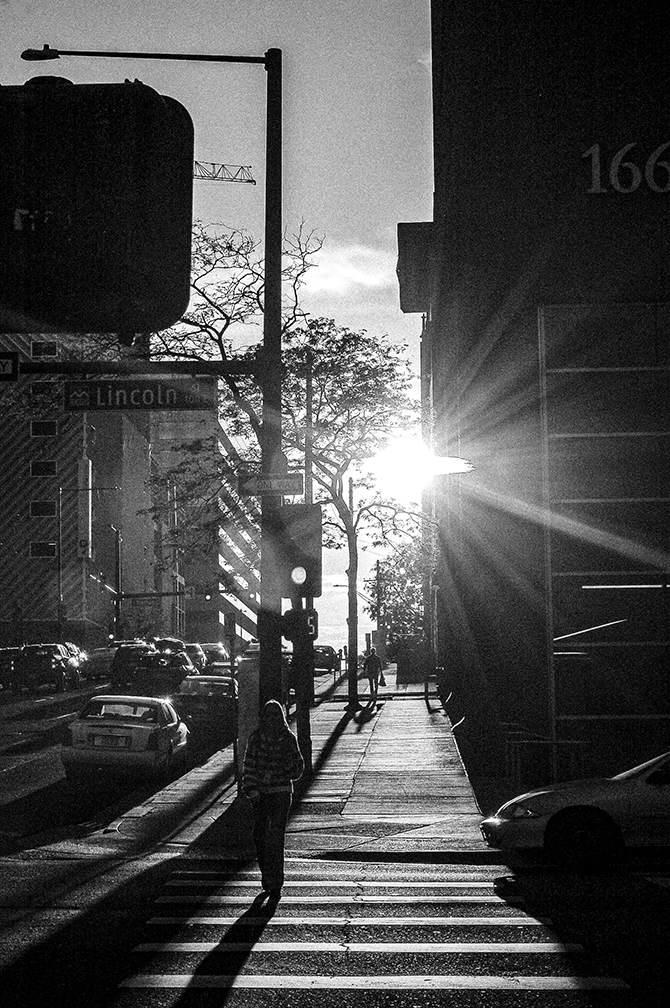
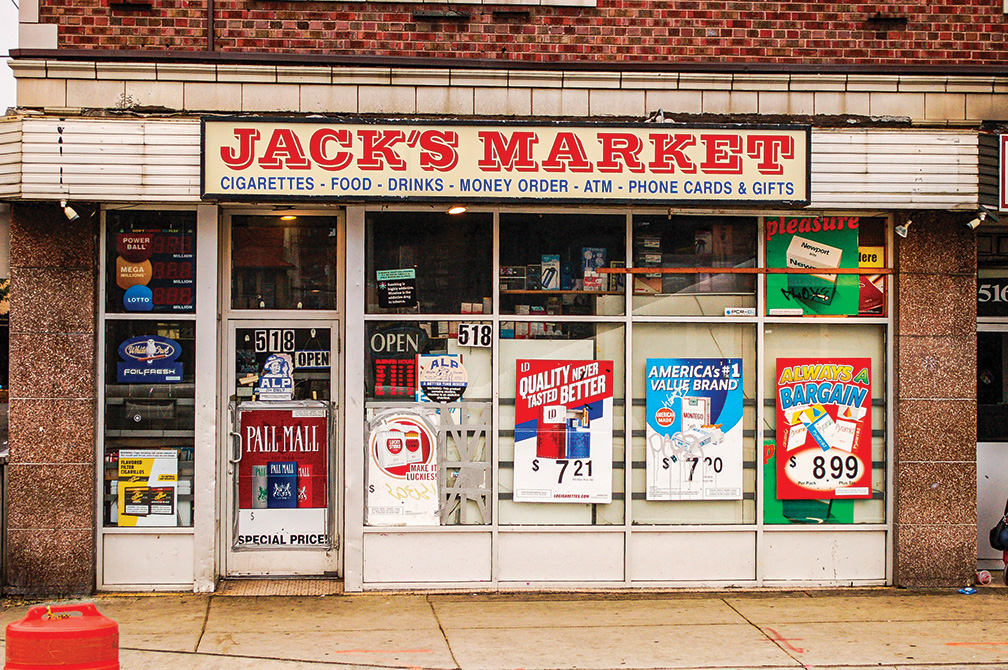
I love all of Denver. I naturally want to document the southwest but have experienced so many different neighborhoods that I think it is important to document all perspectives. Denver has been in a rough place the last decade or so and I want to give viewers a reason to love it instead of hate it, and I want to remind folks that we still have original hoods left.
Your creative talents span photography, murals, fashion, and design. Where did that creative journey begin? Did photography open the door to these other mediums, or have you always been someone who sees the world through multiple artistic lenses?
My grandmother gave me a camera for my 17th birthday. I actually picked it up and put it down after a few years when I got more into graffiti. I actually owe it all to graffiti. All I wanted to do was paint and write on stuff until I started meeting other graffiti writers who did more than just graffiti. It began with a passion to paint murals and then I found myself getting into collage work and mixed media work. I think I just tried new things as I felt inspired. I am glad I put photography down and picked it back up. I feel like all of my other experiences gave me the perspective and lens that I shoot with today.
 Your photography has a wonderful way of capturing the personality of a place and the people who inhabit it. What catches your eye when you’re walking through a neighborhood with your camera? What makes you stop and think, “There’s a story here”?
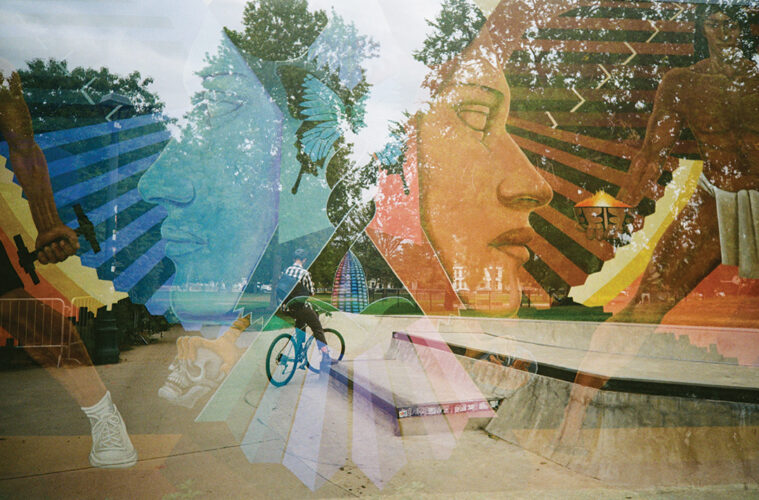
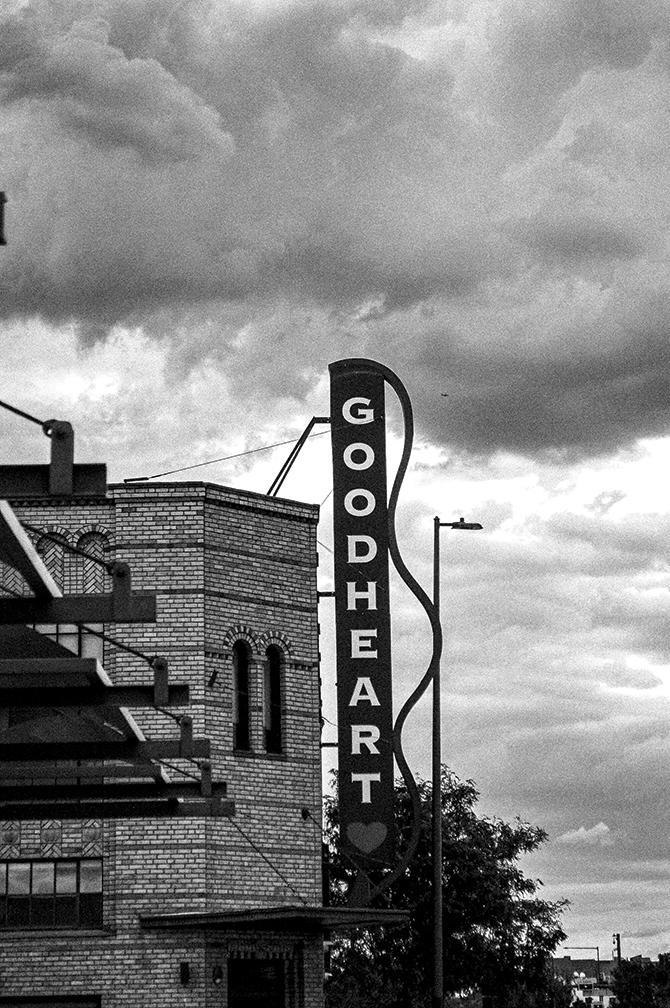
I shoot what aesthetically pleases my eye which is why I think I like collaging so much. I really just frame colors, places, and objects that make me feel something. Sometimes it’s about a story but a lot of the time it is about appreciation for things that are looked past every single day. I love old buildings and structures that have history. I love the stories viewers give me about the spaces I photograph as well.
Denver has changed tremendously over the years. As someone who grew up here and now documents the city through art, how do you feel about that evolution? What parts of Denver’s identity do you hope we never lose?
I feel like I was maybe the last youngest generation to experience old Denver before it changed. It makes me sad, but I think it is important to continue to love the city even through change. I cannot stop change, but can try and help preserve the future. I really could care less about how the structure changes, I just hope that everyone doesn’t leave. We need natives here to continue to love this city and help it grow. I think Denver’s identity has always been influenced by folks coming in and out.
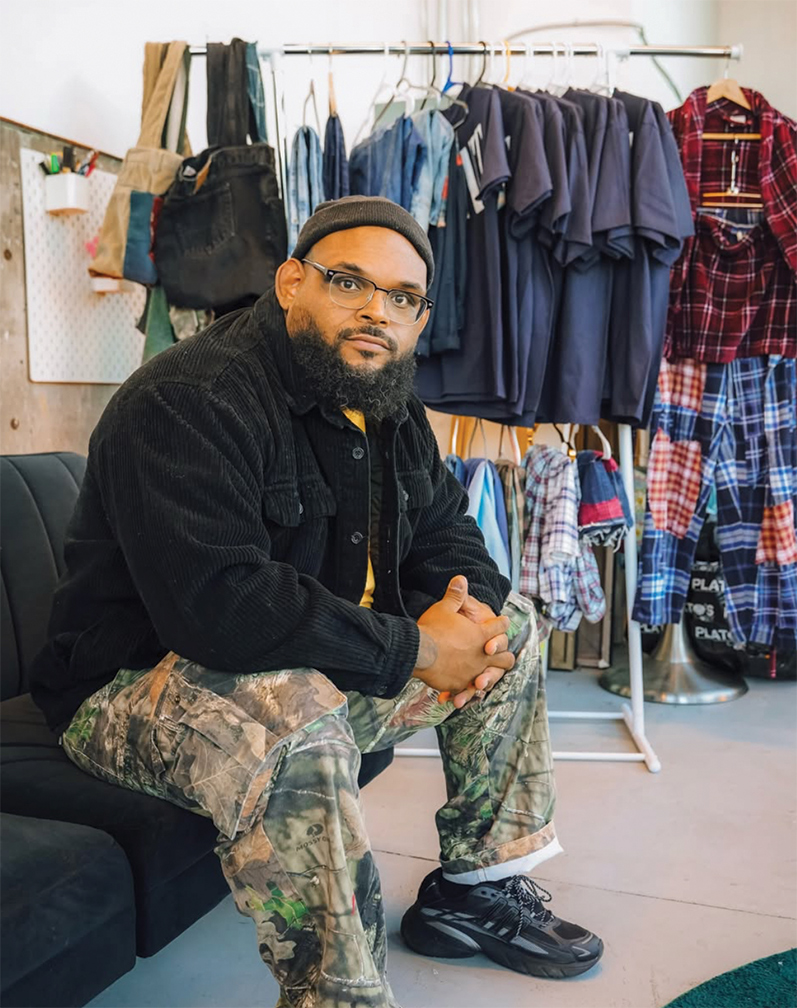 Your murals bring your creativity into public spaces, where everyone can experience it. How does your approach to creating a mural differ from photography? Is there a particular mural or public art project that holds special meaning for you?
My mural work is an extension of my name Speak. Every form of art I do is. I believe I chose that name because I believe in speaking in multiple ways. My murals are made of layers just like my photos. Same concept, just different mediums. I do not think I have a specific mural story. I love them all. I think the most significant one that changed my perspective on creating murals was actually in Boulder. After covid there was a wave of support for black artists, businesses, and creatives. I think it was more of a trend than actually caring about the black community, even though the money was good for me at the time. I painted a mural that doesn’t exist anymore for Street Wise and I think that experience is where I felt the most objectified, that I have ever felt while painting a mural. After that I stopped saying “yes” to folks who only wanted me to do art because I am black.
Fashion is another extension of your creativity. Tell us about your clothing designs and the inspiration behind them. What can you communicate through something someone wears that might be different from what you express through a photograph or mural?
My brand is called Resilient People (RSLNT PPL) because I want to create something that makes folks feel powerful being themselves. Again just like my photos or collage, my clothing really is just upcycled collage patchwork. I want to create clothing that fits every identity and nurtures the power that human beings have. I really enjoy using diverse models for my work. I think they tell the story of my clothing by just being themselves, if that makes sense. We are all resilient in our own way and I think it is important to share those stories.
Giving back seems to be just as important to you as creating art. Where does that philanthropic spirit come from? Can you share some of the organizations, causes, or community projects you’ve supported and why they’re meaningful to you?
Long story short, coming out of high school I went to jail for graffiti and ended up at an alternative high school and discovered a non profit. I became their first student, turned intern, turned teaching artist, turned staff member. That organization milked my marginalized black kid story, who they saved as much as they could to exemplify what was possible and use it to get grant money. It was actually pretty gross and when I discovered this, I voiced that I did not want to tell the same story. So, I stopped public speaking and slowly got taken off the pedestal. Within this experience the good thing that came out of it was being connected to amazing community members and having incredible mentors who too were used and then spit out by this organization.
I had mentors such as Suzi Q Smith, babah Fly, Molina Speaks, kalyn Heffernen, Tyler Breuer, Ill Se7en, Mike Wird, Bianca Mikahn, Diana Rose Francis, Stephen Brackett, and so many more. I worked for this organization for almost a decade and learned how to write grants, curriculum, and be a professional educator and artist. I also was connected to other organizations such as Youth Employment Academy, Access Gallery, Lighthouse, and so many more. When they decided they were done with me I hit the ground running with what I learned, took my intellectual property, and pitched my curriculum to other spaces. I care deeply about my community and want to make sure that young folks just like myself know that they are important and powerful. Also experiencing what I went through, I wanted to be a good human being in the community and do good work. Not just use the marginalized to benefit my ego and pockets, you feel me?
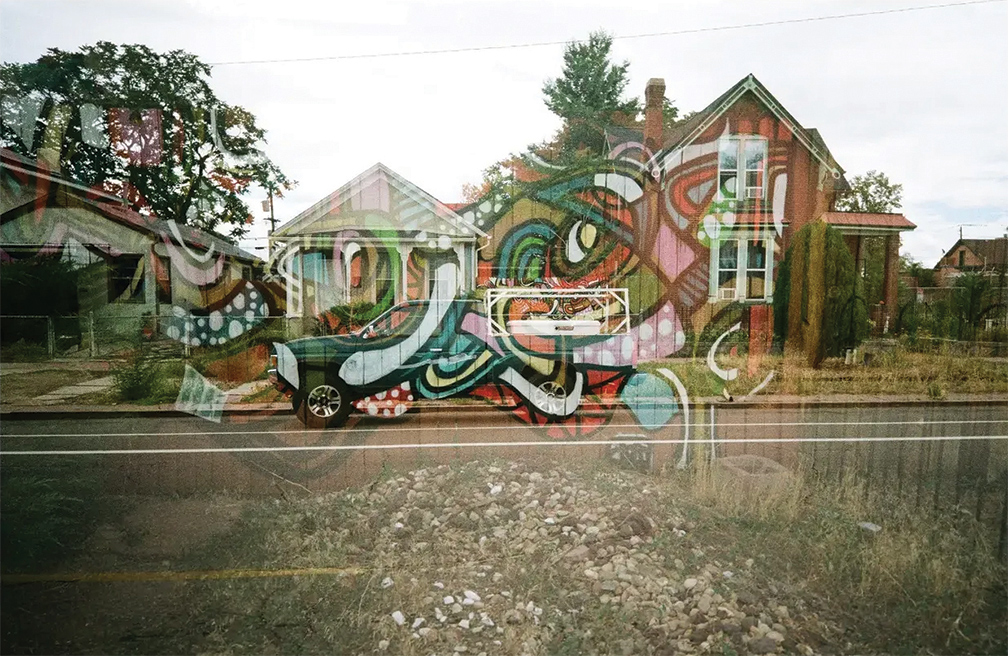 You’re currently working on a coffee table book, which sounds like a natural extension of your love for storytelling. What inspired the project? What stories, people, or places are you hoping to preserve within its pages, and what do you hope readers take away from it?
I cannot say too much but I think the idea is to not linger on the past of Denver, or try to control the future, but to show how it currently is in this moment. I want to capture these neighborhoods and communities as is, before they do potentially change in the future. More info to come soon I promise.
When you think about your legacy, both as an artist and as someone who genuinely cares about his community, what do you hope your work contributes to Denver? And what would you tell the next generation of young Colorado creatives who want to make their own mark on this city?
I just want people to know that I cared about the community and human beings in general. I hope the work that I leave behind inspires others to do what they want, when they want. There are so many constructs in this art world that we think help us but hold us back actually. The curators, artist calls, and art politics don’t matter. Do you and the people who truthfully love your work will naturally gravitate to you.
To see more Devin’s vast portfolio, visit everythingspeaks.weebly.com.